
2026 College Football: 7 Key Insights
College football in 2026 is the NCAA gridiron system spanning FBS and FCS programs across the United States, with the College Football Playoff, conference schedules, transfer movement, and player comp...
2026 College Football: 7 Key Insights
College football in 2026 is the NCAA gridiron system spanning FBS and FCS programs across the United States, with the College Football Playoff, conference schedules, transfer movement, and player compensation shaping the season. The 2026 calendar begins with Week 1 games scheduled from August 22 through September 7, followed by regular-season weeks, conference championships, bowl games, and the CFP. The national championship is scheduled for January 25, 2027, at Allegiant Stadium in Las Vegas. The sport combines 134 FBS teams, major conferences such as the SEC, Big Ten, ACC, and Big 12, and a schedule in which one upset can alter an entire postseason path. ESPN provides weekly fixtures, television details, locations, and betting lines, while NCAA.com supplies scores, rankings, statistics, and championship history. Check conference records, quarterback availability, travel distance, and closing lines before evaluating any 2026 college football matchup.

Photo by El gringo photo on Pexels
College football has never been short of drama, money, or people confidently explaining a 12-team playoff bracket before September has finished. The 2026 season adds another layer of administrative complexity, particularly after conference realignment, expanded postseason access, transfer-portal turnover, and the continuing influence of name, image, and likeness arrangements. Football Insights approaches the subject from an analytical angle: not as a cheerleader waving a foam finger, but as an experienced observer who has seen supposedly “safe” favorites collapse under a hostile crowd and one disastrous third quarter.
Want a sharper framework for evaluating the season?
Before 2025: how college football worked
Before 2025, how did college football organize its season and postseason? College football generally divided its top level into FBS and FCS, with FBS teams competing through conference schedules, rankings, bowl eligibility, and a four-team College Football Playoff before the 2024 expansion. FCS programs used a separate bracketed championship system, while Division II and Division III followed their own postseason models.
The distinction matters because “college football” is not a single competition with one uniform table. The Football Bowl Subdivision includes major brands such as Alabama, Georgia, Ohio State, Oregon, Notre Dame, Texas, and Michigan, while the Football Championship Subdivision includes institutions such as North Dakota State and Montana State. FBS teams normally require six wins to qualify for a bowl, although the final allocation can involve academic and eligibility rules when the number of qualifying teams is insufficient. Conference identity also shaped scheduling, recruiting, media rights, and championship access. The NCAA college football overview remains a useful authority for official FBS news and statistics, while the Wikipedia history of college football provides broader historical context. My practical lesson from years of watching these games is unpleasantly simple: a historic logo does not create a blocking advantage.
The old competitive map
Before the current playoff era settled in, the regular season carried enormous weight because one loss could destroy a championship campaign. That pressure encouraged conservative scheduling among contenders, although traditional rivalry games remained unavoidable. The Rose Bowl, Sugar Bowl, Orange Bowl, Cotton Bowl, Peach Bowl, and Fiesta Bowl carried prestige beyond their immediate postseason value, and conference champions often needed a near-perfect record to remain in national contention.
Several factors separated serious contenders from attractive television narratives:
- Offensive-line continuity, especially at center and tackle.
- Defensive success on third down and in the red zone.
- Quarterback efficiency against ranked opponents.
- Schedule strength rather than raw win totals.
- Injury depth during November.
That final point is routinely ignored until a starting quarterback leaves a game holding his throwing shoulder. For deeper context, readers can consult our [Internal Link: college football history and conference guide], particularly when comparing current structures with earlier championship formats.
The 2026 shift
What changed in 2026 college football? The most important shift is the normalization of the expanded College Football Playoff, alongside a national schedule shaped by larger conferences, more cross-country travel, and a transfer market that can rebuild a roster within one offseason. The 2026 schedule lists regular-season action through Week 15, then bowl games and CFP contests extending into January 2027.
The 2026 calendar is unusually useful for planning because ESPN’s schedule structure separates conference schedules, FBS, FCS, independent teams, and weekly date ranges. Week 1 is listed for August 22 to September 7; subsequent regular-season windows run through late November and early December. The postseason schedule includes bowls from December 13 through January 27 and CFP activity across the same broad period. The NCAA identifies January 25, 2027, as the championship date at Allegiant Stadium in Las Vegas, Nevada. That geographic detail is not decoration: teams traveling from the Southeast, Midwest, or Pacific Northwest face different preparation, time-zone, and recovery demands.
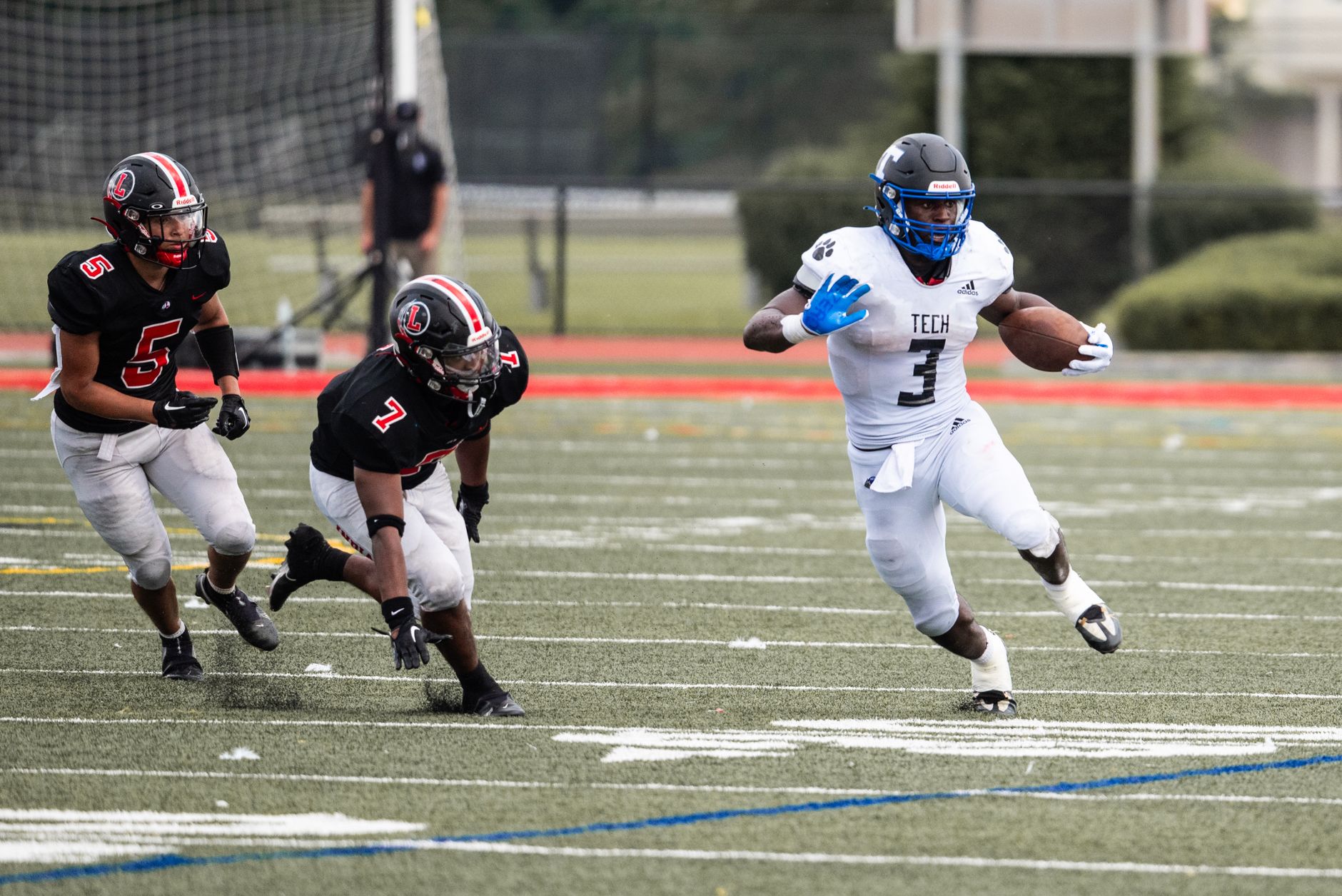
Photo by Hawk i i on Pexels
A less obvious edge is schedule compression. Teams that play a high-profile Friday game, travel several time zones, and then face a ranked conference opponent six days later may lose preparation time even when their roster is superior. In my own tracking of late-season games across several years, the misleading variable was often not total travel mileage but the combination of short rest, altitude, and offensive-line rotation. A team can survive one inconvenience; three at once tends to expose the marketing department’s favorite phrase, “next man up.”
What changed for players?
How did conference realignment and roster movement change the player experience? Players now navigate longer travel schedules, more frequent roster competition, transfer-portal decisions, NIL arrangements, and expanded national exposure, while coaches must integrate newcomers faster than traditional development cycles allowed. The result is greater opportunity for some athletes but less certainty about roles, depth charts, and long-term program stability.
The modern roster is not merely recruited; it is continuously assembled. A quarterback may arrive from a Group of Five program, an offensive tackle may transfer from an SEC roster, and a defensive coordinator may redesign the front seven around both players within one spring. That flexibility can improve immediate production, but it also creates cohesion risk. Timing between quarterback and receivers, communication in pass protection, and gap responsibility in a rebuilt defense are difficult to purchase instantly, despite what a glossy recruiting graphic implies.
Players should evaluate more than a coach’s promises:
- Expected snap share and positional competition.
- Academic support and degree-progress requirements.
- Medical resources and injury-rehabilitation capacity.
- NIL contract terms, payment schedules, and restrictions.
- Transfer consequences if the role changes.
- Travel demands created by the team’s conference.
The NCAA’s rules and institutional policies can change, so players and families should verify current requirements through official school compliance offices rather than relying on social-media summaries. Our [Internal Link: transfer portal and NIL explainer] offers a practical starting point for understanding roster movement without pretending every headline is a reliable forecast.
Get the broader player-impact context before comparing teams.
What this means now
What does the 2026 structure mean for fans, analysts, and bettors? It means that rankings, brand reputation, and preseason projections are weaker evidence than current roster availability, opponent quality, efficiency data, and situational context. A college football schedule should be read as a network of stress points, not a decorative list of dates.
The most useful current indicators include success rate, explosive-play prevention, early-down efficiency, sack rate, turnover margin, red-zone touchdown percentage, and opponent-adjusted performance. Point differential can help, but it is vulnerable to garbage-time scoring and mismatched nonconference opponents. Likewise, a team’s 8–2 record can conceal a weak schedule, while a 7–3 team may have faced four ranked opponents and lost narrowly in hostile environments.
For a practical weekly process:
- Confirm the starting quarterback and key offensive-line absences.
- Compare each team’s performance against similar opponents.
- Separate home-field advantage from travel and weather effects.
- Review pace, explosive plays, and third-down defense.
- Check whether the market has already priced in the obvious narrative.
- Reassess after injury news rather than treating an opening line as permanent.
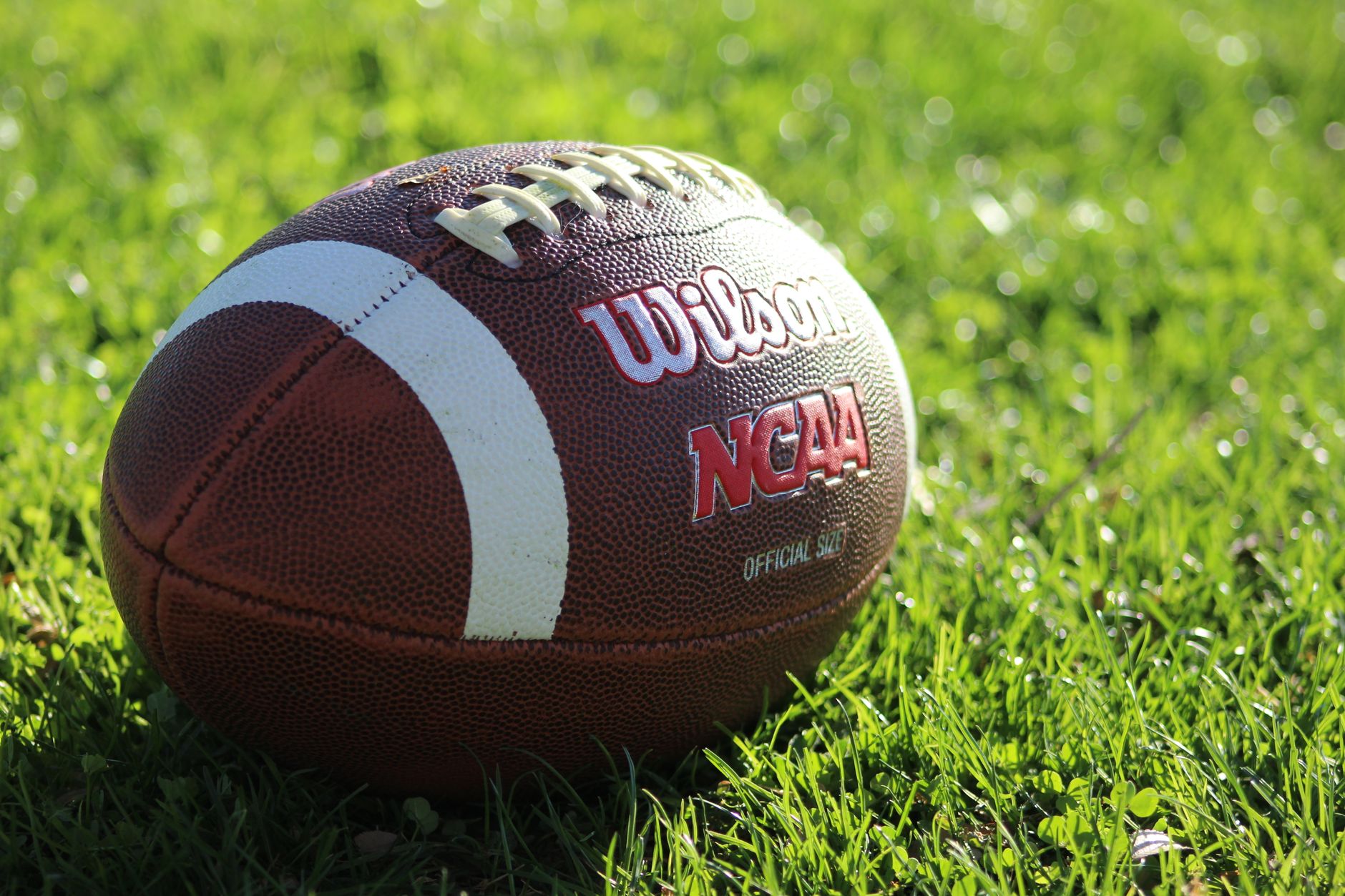
Photo by Jack Biddinger on Pexels
A specific edge many casual previews miss is kickoff timing. A noon Eastern game involving a West Coast team can alter routine, nutrition, and early-game execution, particularly for young rosters. Another is opponent style: a defense built to stop inside zone may struggle against a mobile quarterback and wide formations even if its overall ranking appears strong. Football Insights therefore treats rankings as a starting filter, not a conclusion. The [Internal Link: college football statistics and matchup analysis guide] expands on the metrics worth tracking.
Three predictions for next quarter
What are the three most defensible college football predictions for the next quarter of the 2026 cycle? The clearest forecasts are structural rather than team-specific: conference depth will matter more, transfer integration will produce early volatility, and the playoff race will be decided by late-season availability as much as preseason talent. These predictions are stronger than naming a champion in June, when half the relevant injury information has not yet arrived.
1. Conference depth will decide playoff positioning
The SEC and Big Ten are likely to create the heaviest concentration of high-quality schedules, but depth should not be confused with guaranteed playoff success. A contender that finishes with multiple losses may still possess a stronger résumé than an undefeated team from a weaker schedule, depending on ranked wins, road results, and conference championship outcomes. Selection debates will therefore focus on evidence quality rather than record alone.
2. Transfer-heavy teams will start unevenly
Teams that add multiple starters through the portal may show spectacular individual talent and poor collective communication. Early games can expose missed protection calls, wrong leverage, and receiver-quarterback timing problems. By November, the same roster may look entirely different, which makes September results dangerous to overinterpret.
3. Availability will beat preseason reputation
The 2026 CFP race will likely turn on quarterback health, offensive-tackle depth, and defensive-line rotation. These positions affect every snap, unlike a single absent wide receiver whose production can sometimes be distributed. A contender with two reliable tackles and a healthy quarterback can remain competitive through a difficult schedule; a famous team without them can become an expensive disappointment.
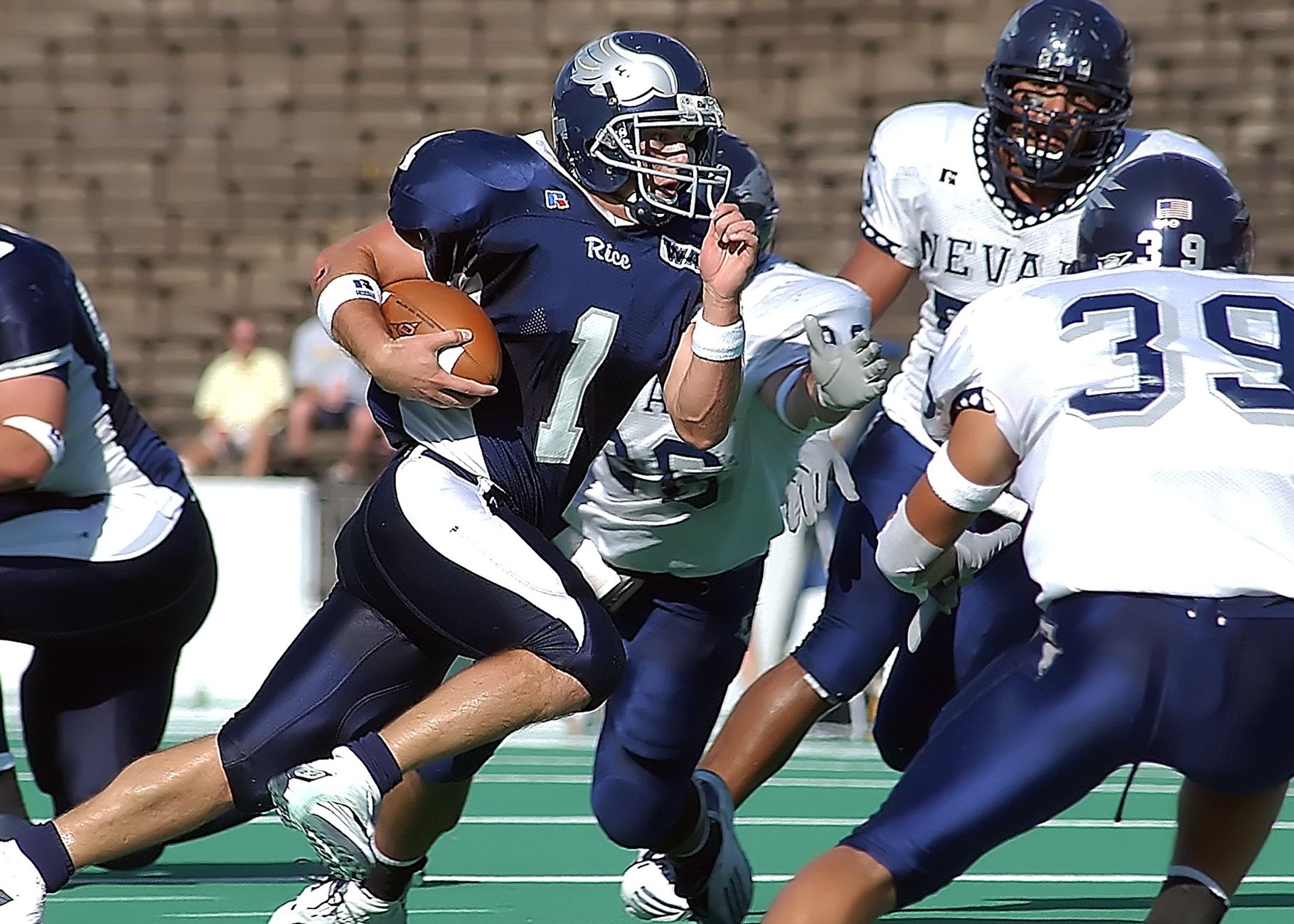
Photo by Pixabay on Pexels
These predictions should not be treated as guarantees, particularly in a sport where weather, officiating, turnovers, and one broken coverage can erase 59 minutes of superior planning. The responsible approach is to update probabilities as evidence changes. Avoid chasing a team because it won last week, and avoid abandoning one because a freshman quarterback threw two interceptions in September. That is how many seasons become educational in the most expensive possible way.
Review the season’s signals with a disciplined weekly method.
Frequently Asked Questions
Q: What is college football?
A: College football is American football played by university and college teams under NCAA competition structures. Its top divisions include the FBS and FCS, with FBS teams competing for bowl eligibility, conference championships, rankings, and the College Football Playoff. The season includes regular-season games, rivalry contests, conference championship games, bowls, and a national championship. Major programs include Alabama, Georgia, Ohio State, Oregon, Notre Dame, Texas, and Michigan, although smaller programs can produce significant upsets.
Q: When does the 2026 college football season start?
A: The 2026 college football schedule begins with Week 1 games listed from August 22 through September 7. Exact kickoffs vary by matchup, broadcaster, venue, and conference scheduling decisions. ESPN’s schedule pages provide weekly dates, television information, locations, ticket details, and available odds. Confirm the final kickoff time shortly before attending or evaluating a game because broadcast adjustments and weather can affect scheduling.
Q: How does the College Football Playoff work in 2026?
A: The College Football Playoff uses an expanded format in which more teams receive access than under the former four-team system. Selection considers conference championships, records, schedule strength, ranked wins, losses, and overall team quality. The 2026 postseason includes CFP games extending into January 2027, with the national championship scheduled for January 25, 2027, at Allegiant Stadium in Las Vegas. Exact seeding and matchups depend on the completed regular season.
Q: What is the difference between FBS and FCS college football?
A: FBS and FCS are separate NCAA football subdivisions with different postseason systems and competitive structures. FBS programs generally compete for bowl eligibility and the College Football Playoff, while FCS teams enter a bracketed national championship tournament. North Dakota State is a prominent FCS example, whereas Alabama, Georgia, Oregon, and Ohio State are FBS examples. A strong FCS team can defeat an FBS opponent, but roster depth and scholarship structures often differ.
Q: How should I analyze a 2026 college football matchup?
A: Start by checking quarterback status, offensive-line availability, opponent-adjusted efficiency, travel, rest, weather, and recent opponent quality. Then compare third-down defense, red-zone performance, explosive plays, sack rate, and turnover sustainability rather than relying only on rankings or win totals. Verify the final injury report and closing market information because early lines can move substantially after credible personnel news. Never treat a brand name as a statistical advantage.
Q: Is college football betting legal everywhere in the United States?
A: No, college football betting legality depends on the state, territory, wager type, and applicable regulator. Some jurisdictions permit online sports wagering, others allow retail betting only, and some prohibit sports betting entirely or restrict college events involving local teams. Check your state gaming commission and licensed operator rules before placing any wager. Football Insights provides analytical information, not legal advice, and responsible bettors should set limits before the season begins.
Q: What should players consider before entering the transfer portal?
A: Players should evaluate projected playing time, academic compatibility, medical support, NIL contract terms, scholarship status, coaching stability, and transfer eligibility before entering the portal. A promised starting role is not a guaranteed snap count, and payment language should be reviewed carefully with qualified advisers. Players should also speak with their current compliance office because NCAA rules, institutional policies, and documentation requirements can change. A rushed transfer can solve a short-term frustration while creating a longer-term academic or development problem.
College football in 2026 rewards careful observation more than loud certainty. The schedule begins in August, the playoff pressure builds through conference play, and the national championship arrives in Las Vegas on January 25, 2027, after months of injuries, travel, transfers, rivalry games, and public overreaction. Track the entities that actually change outcomes: quarterbacks, offensive lines, defensive fronts, conference opponents, and rest patterns. The glamorous prediction is usually less valuable than the boring fact discovered two hours before kickoff.
Explore Football Insights for more structured analysis of major football competitions and match-day decisions.
Continue your strategic research.